“The heart of the prudent getteth knowledge; and the ear of the wise seeketh knowledge.”
Proverbs 18:15 · KJV ↗
“For the LORD giveth wisdom: out of his mouth cometh knowledge and understanding.”
Proverbs 2:6 · KJV
Black Inventors
Ideas that changed everyday life.
KSE Academy · History Collection
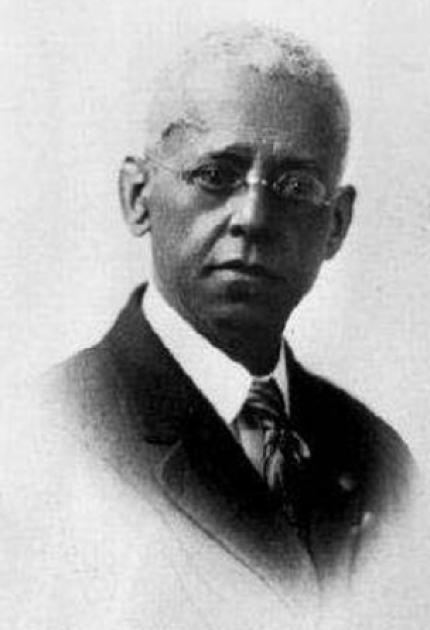
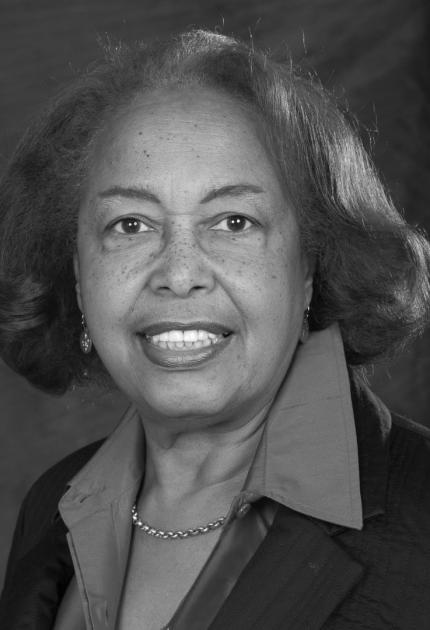
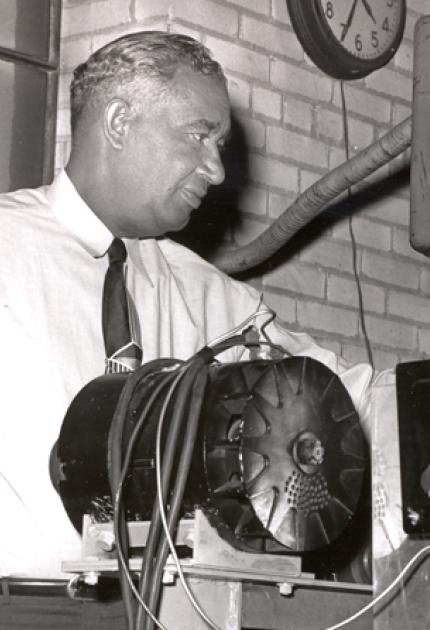
BLACK
INVENTORS
12 stories of curiosity,
skill and practical change.
Knowledge Creates Innerstanding.
Meet people whose work improved the way we travel, communicate, make things and care for one another.
Open the book →“The heart of the prudent getteth knowledge; and the ear of the wise seeketh knowledge.”
Proverbs 18:15 · KJV ↗
Begin with a question.
What problem did this person notice—and what did they change?
Read one profile at a time. Explore its patent record, compare the explanation with the drawing, and try the reflection. You do not need a technical background to begin.
Read the contribution carefully.
Invention often builds on earlier work. A person may develop a component, improve a process or combine existing tools. These profiles name specific contributions and credit collaborators where relevant.
Inside this book
An original KSE reading edition for youth and adult study. Historical profiles are linked to their sources. Portraits are historical photographs from the linked institutions. Original patent drawings are included where indicated. Two profiles use invention records in place of a portrait.
“The heart of the prudent getteth knowledge; and the ear of the wise seeketh knowledge.”
Proverbs 18:15 · KJV ↗
Lewis Howard Latimer
Profile 01 / Light & electricity
Making electric light more practical
A useful invention can improve a small part of a much larger system. Lewis Latimer developed a method for making durable carbon filaments used in incandescent lamps. A filament is the thin material inside a bulb that glows when heated by electricity. Manufacturing it more reliably helped make electric lighting more practical. Latimer also worked as a draftsman, turning technical ideas into precise drawings, and helped install lighting systems in several countries.
Name the contribution.
Latimer improved carbon-filament manufacturing. Credit him for that contribution rather than saying he invented the lightbulb itself.
“The heart of the prudent getteth knowledge; and the ear of the wise seeketh knowledge.”
Proverbs 18:15 · KJV ↗
Garrett Morgan
Profile 02 / Safety & transportation
A pause that could protect people
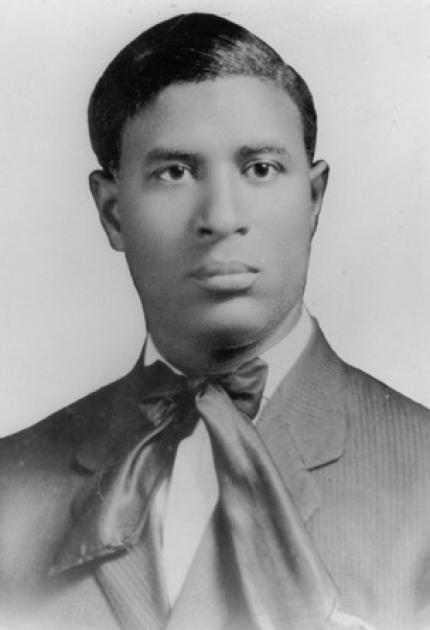
Busy streets require people moving in different directions to share the same space. Garrett Morgan patented a mechanical traffic signal with an additional all-stop interval between movements of traffic. That pause gave people already in the intersection time to clear it before another direction moved. Morgan also developed a safety hood designed to help people breathe in smoke-filled environments. Both projects addressed practical dangers that he wanted to reduce.
Name the contribution.
Traffic signals existed before Morgan’s design. His patent documents a particular improvement; it is not a claim to every traffic light.
“The heart of the prudent getteth knowledge; and the ear of the wise seeketh knowledge.”
Proverbs 18:15 · KJV ↗
Granville T. Woods
Profile 03 / Railways & communication
Helping moving trains communicate
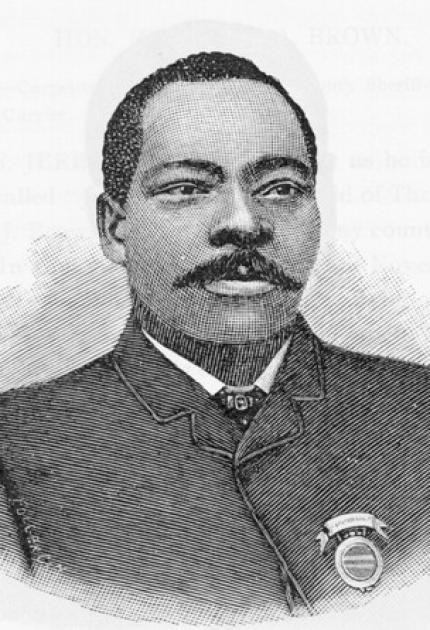
A message is most useful when it reaches someone in time to act. Granville T. Woods developed railway telegraph technology that helped moving trains exchange messages with stations. His work brought electrical communication into a difficult setting: equipment that was constantly changing location. Woods also developed other electrical and railway inventions. His career shows how mechanical experience and the study of electricity can come together to solve a transportation problem.
Name the contribution.
Woods made important improvements to railway communication. He did not invent trains or the telegraph as a whole.
“The heart of the prudent getteth knowledge; and the ear of the wise seeketh knowledge.”
Proverbs 18:15 · KJV ↗
Elijah McCoy
Profile 04 / Mechanical engineering
Keeping machinery moving
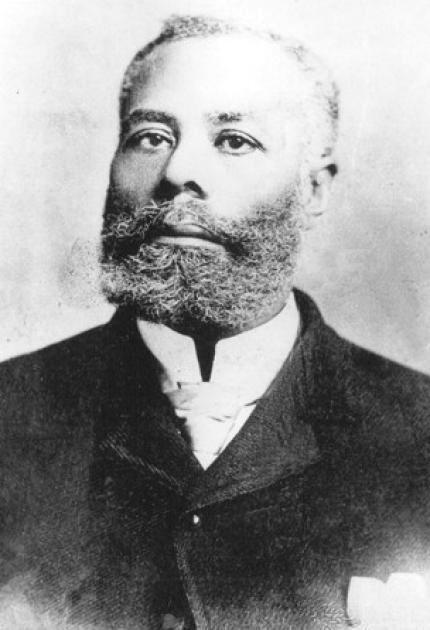
Moving metal parts need lubrication to limit friction. Elijah McCoy developed an automatic lubricator that supplied oil to working engines. Before such improvements, stopping machinery to apply oil could interrupt a journey or a workday. McCoy’s design helped equipment receive lubrication while it operated. Born in Canada to parents who had escaped slavery, he trained in mechanics and engineering and applied his skills to problems he encountered in railroad work.
Name the contribution.
McCoy’s achievement concerns automatic engine lubrication. The popular story connecting his name to the phrase ‘the real McCoy’ is not treated here as settled fact.
“The heart of the prudent getteth knowledge; and the ear of the wise seeketh knowledge.”
Proverbs 18:15 · KJV ↗
Jan Ernst Matzeliger
Profile 05 / Manufacturing & footwear
A better way to make shoes
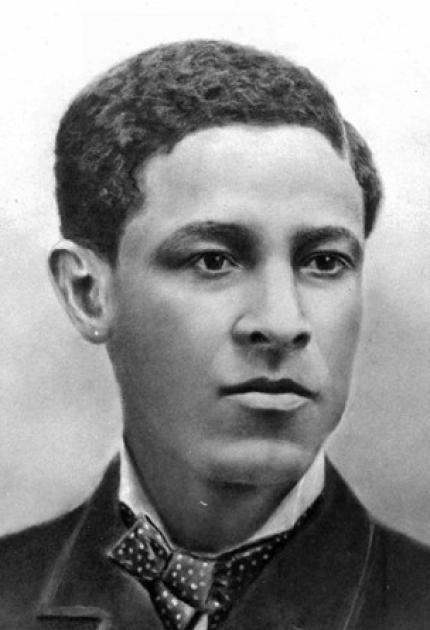
A shoe must fit a three-dimensional foot, even though its materials begin as separate pieces. Jan Ernst Matzeliger developed a shoe-lasting machine that mechanized an important part of shaping and attaching a shoe’s upper to its sole. Lasting uses a foot-shaped form called a last. Matzeliger was born in Suriname and later worked in the shoe industry in Massachusetts. Studying a demanding production task helped him identify a way to make manufacturing more efficient.
Name the contribution.
Matzeliger automated a key shoemaking process. His invention was not the first shoe or the first machine used anywhere in shoemaking.
“The heart of the prudent getteth knowledge; and the ear of the wise seeketh knowledge.”
Proverbs 18:15 · KJV ↗
Sarah E. Goode
Profile 06 / Furniture & everyday design
One piece of furniture, two purposes
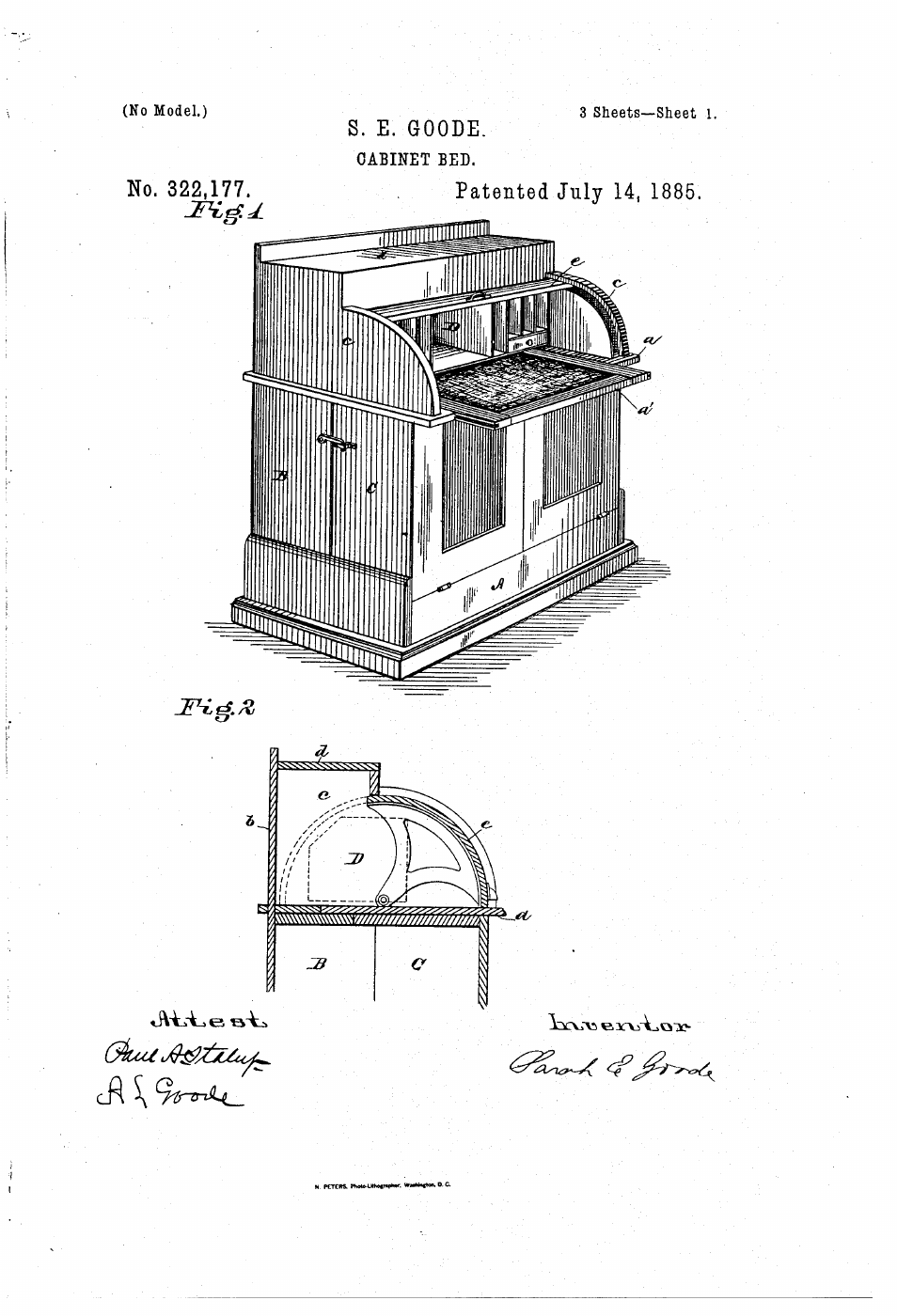
This profile uses the original invention record in place of a portrait.
Limited space can inspire a different way of designing furniture. Sarah E. Goode received an 1885 patent for a cabinet-bed that folded into the form of a desk when it was not being used for sleeping. The patent describes folding sections, supports and a way to balance their weight. The design combined two household functions in one piece. Her story invites us to notice needs that are easy to overlook when a room or a budget is small.
Name the contribution.
Goode is among the early Black women to receive U.S. patents. Avoid calling her the first without considering earlier patent records.
“The heart of the prudent getteth knowledge; and the ear of the wise seeketh knowledge.”
Proverbs 18:15 · KJV ↗
Marie Van Brittan Brown
Profile 07 / Home safety & electronics
Seeing who is at the door
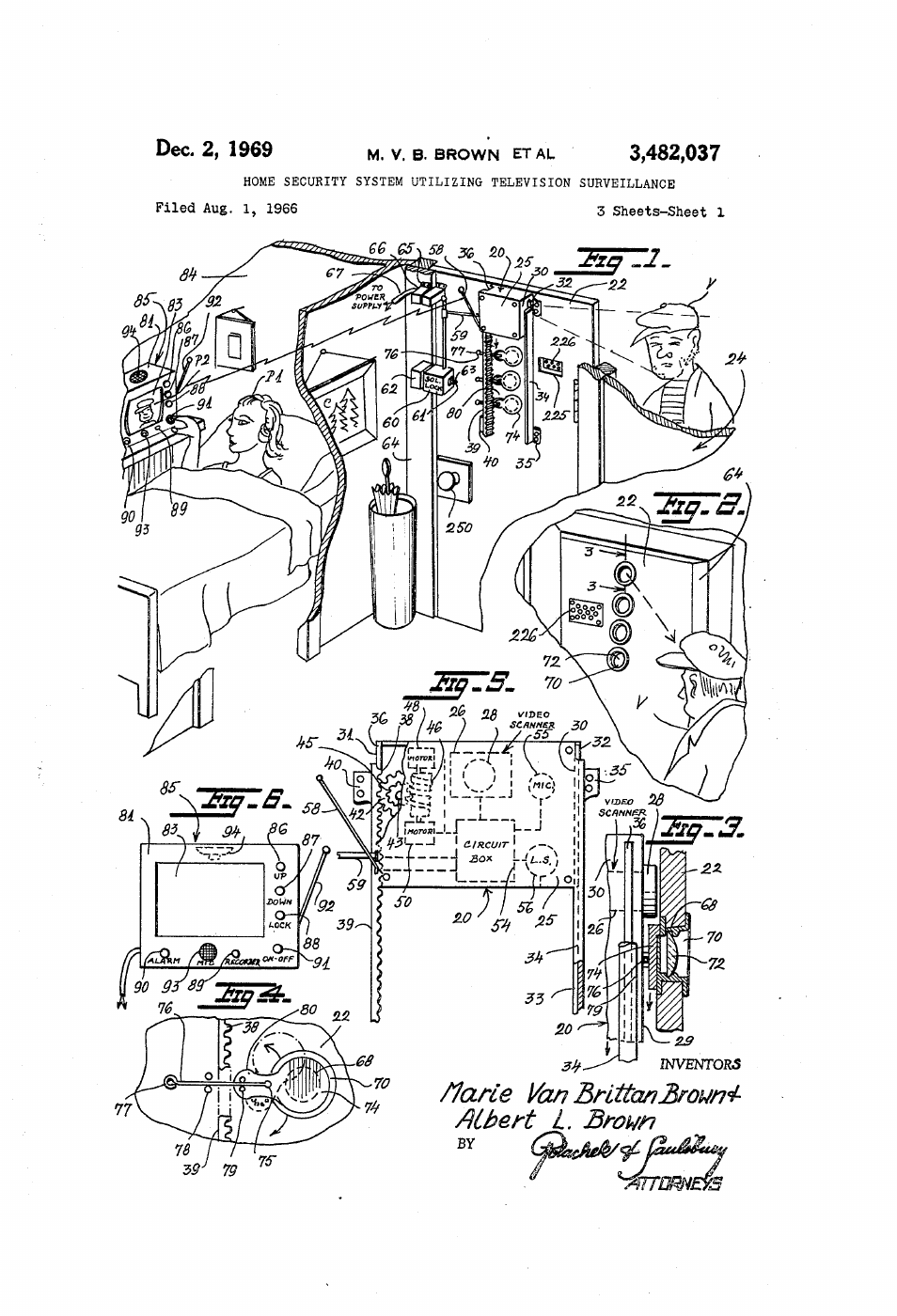
This profile uses the original invention record in place of a portrait.
Marie Van Brittan Brown wanted a safer way to see and speak with someone outside her home. Working with her husband, Albert L. Brown, she developed a home security system combining a movable camera, television viewing, two-way communication and remote controls. Their patent was granted in 1969. The system brought several existing technologies together around a household need: checking a visitor while remaining at a safer distance.
Name the contribution.
The patent names both Marie Van Brittan Brown and Albert L. Brown. Their home-security system should not be described as the invention of all television or all surveillance cameras.
“The heart of the prudent getteth knowledge; and the ear of the wise seeketh knowledge.”
Proverbs 18:15 · KJV ↗
Frederick McKinley Jones
Profile 08 / Refrigeration & food distribution
Keeping food cold on the move
Fresh food can spoil before it reaches the people who need it. Frederick McKinley Jones developed practical mobile refrigeration equipment for transporting perishable goods. A refrigerator on a moving vehicle must cope with vibration, heat and changing conditions. Jones used his mechanical experience to address those challenges. His work helped expand the distances over which food could travel while remaining cold. This chapter connects invention to a community need that matters to KSE: moving usable food to people.
Name the contribution.
Jones advanced mobile refrigeration. Refrigeration itself existed before his transportation systems.
“The heart of the prudent getteth knowledge; and the ear of the wise seeketh knowledge.”
Proverbs 18:15 · KJV ↗
James E. West
Profile 09 / Sound & communication
Making a small microphone matter
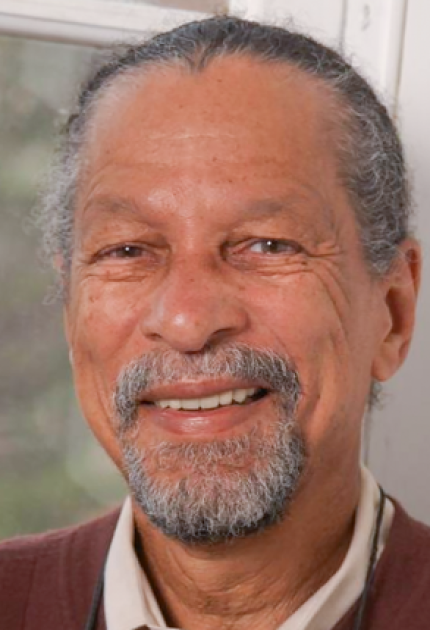
A microphone changes sound into an electrical signal. James E. West and Gerhard Sessler co-invented the foil electret microphone, a compact design that became widely used in audio devices. Their work combined performance with practical manufacturing advantages. West was born in Prince Edward County, Virginia, giving this story a connection to our state. His example also makes teamwork visible: an invention can grow through collaboration rather than the work of one person alone.
Name the contribution.
Credit both West and Sessler for this microphone design. West did not invent the microphone as an entire category.
“The heart of the prudent getteth knowledge; and the ear of the wise seeketh knowledge.”
Proverbs 18:15 · KJV ↗
Dr. Patricia Bath
Profile 10 / Medicine & vision
Engineering a tool for cataract surgery
A cataract clouds the eye’s natural lens. Dr. Patricia Bath developed the Laserphaco device and technique for cataract removal, combining laser technology with fluid and suction functions. Her first U.S. patent for this work was issued in 1988. Bath also worked to expand access to eye care and helped develop community ophthalmology, bringing prevention and treatment closer to underserved people. Her story connects technical invention with a concern for who receives the benefits of care.
Name the contribution.
Bath developed a specific cataract-removal technology. Cataract surgery existed long before her invention. This profile is history, not treatment advice.
“The heart of the prudent getteth knowledge; and the ear of the wise seeketh knowledge.”
Proverbs 18:15 · KJV ↗
Valerie L. Thomas
Profile 11 / Optics & imaging
Exploring images with depth
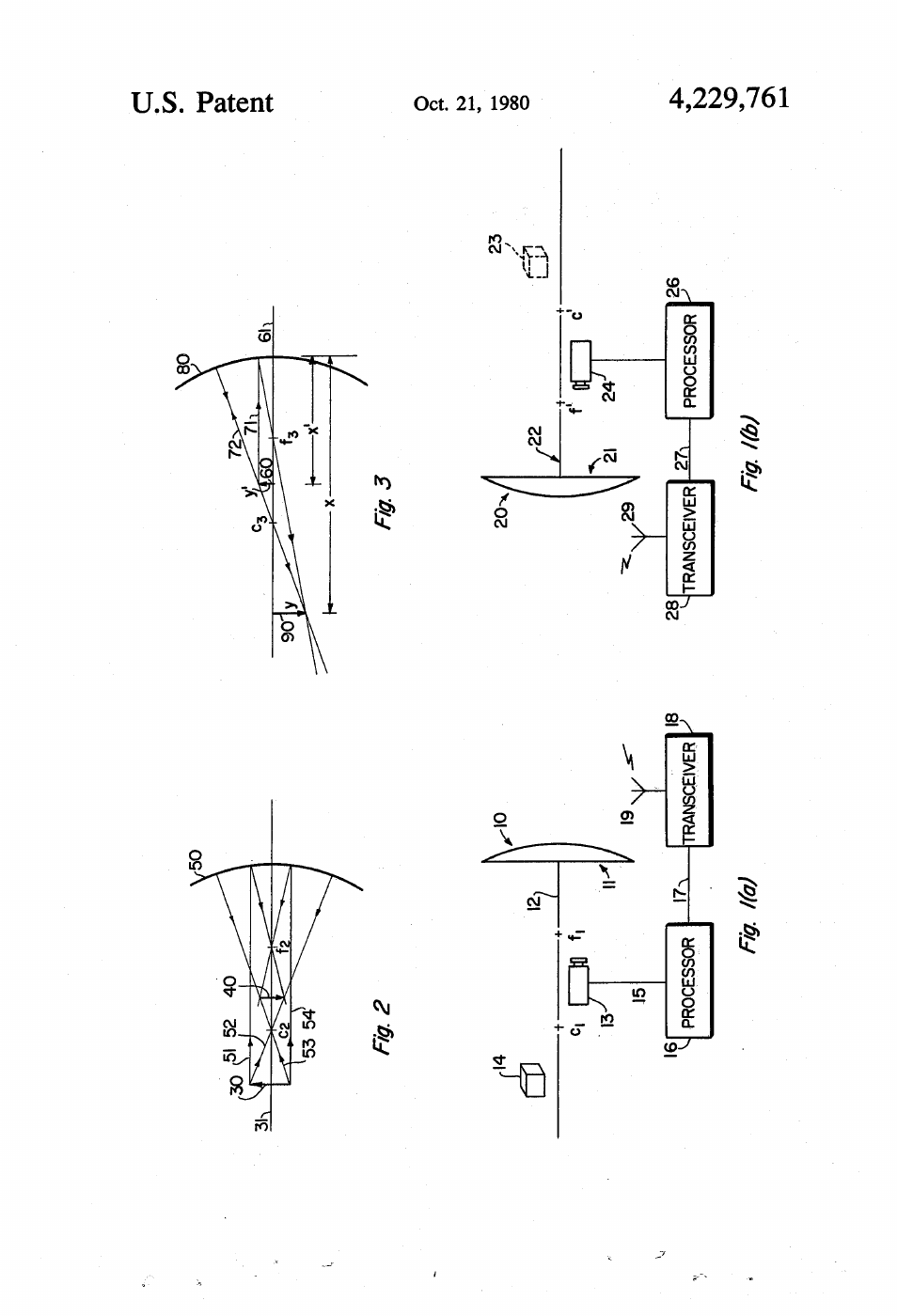
Valerie L. Thomas worked on image-processing systems associated with NASA’s Landsat program. She also patented an illusion transmitter in 1980. That invention used concave mirrors and image-transmission equipment to create a three-dimensional optical effect. A concave mirror curves inward, changing how reflected light forms an image. Thomas’s work offers two connected ideas to explore: how we process pictures of Earth and how light can make an image appear to occupy space.
Name the contribution.
Thomas patented an illusion transmitter. That is different from inventing television, all 3D imaging or every modern 3D movie technology.
“The heart of the prudent getteth knowledge; and the ear of the wise seeketh knowledge.”
Proverbs 18:15 · KJV ↗
Lonnie Johnson
Profile 12 / Engineering & play
An experiment that became a familiar toy
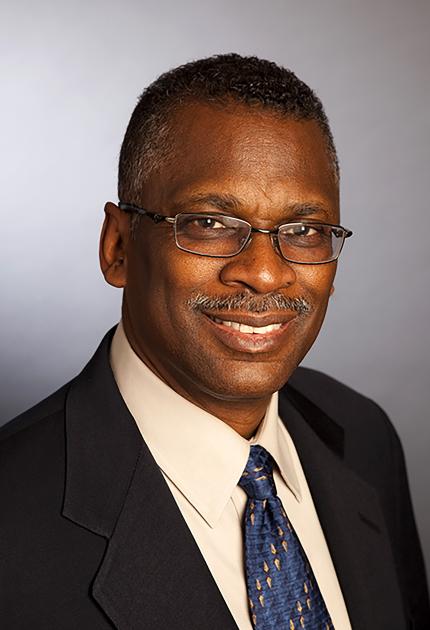
Experiments sometimes produce possibilities beyond their original purpose. Engineer Lonnie Johnson developed the pressurized water toy known as the Super Soaker while exploring ideas connected with a heat pump. His career also includes work in aerospace and energy technology. The toy’s success illustrates a useful habit: paying attention to an unexpected result and asking whether it could solve a different problem. Play and serious engineering can share the same curiosity about how things work.
Name the contribution.
Johnson invented the Super Soaker design. Water toys and water guns existed before it.
“The heart of the prudent getteth knowledge; and the ear of the wise seeketh knowledge.”
Proverbs 18:15 · KJV ↗
Carry the knowledge forward.
An invention starts with attention to a need.
- Notice. Choose a small problem at home, in learning or in community service.
- Ask. Who experiences it? What do they already use? Listen before designing.
- Study. Find two existing solutions. Record what each does well.
- Sketch. Draw one improvement and label its parts.
- Explain. State what changes and who could benefit.
- Revise. Ask someone for feedback. Improve the idea.
Your one-page idea sheet
Write these headings in a notebook: The problem · Who it affects · Existing approaches · My proposed change · A safe way to explore it · One question still unanswered.
Use paper models for exploration. Electrical, mechanical, medical and chemical work requires appropriate training and supervision.
Review your innerstanding
Who co-invented the electret microphone?
James E. West and Gerhard Sessler. Their shared credit matters.
Which profile connects directly to transporting food?
Frederick McKinley Jones, whose work advanced mobile refrigeration.
Why is “improved” sometimes more precise than “invented”?
It identifies a contribution to an existing technology without giving one person credit for the entire field.
“The heart of the prudent getteth knowledge; and the ear of the wise seeketh knowledge.”
Proverbs 18:15 · KJV ↗
Sources & further study
This book pairs readable KSE summaries with institutional histories and original patent records. Links open in a new tab. The historical record can be expanded by reading the complete documents and comparing additional evidence.
- Lewis Howard Latimer — Profile / archive ↗; patent record ↗
- Garrett Morgan — Profile / archive ↗; patent record ↗
- Granville T. Woods — Profile / archive ↗; patent record ↗
- Elijah McCoy — Profile / archive ↗; patent record ↗
- Jan Ernst Matzeliger — Profile / archive ↗; patent record ↗
- Sarah E. Goode — Profile / archive ↗; patent record ↗
- Marie Van Brittan Brown — Profile / archive ↗; patent record ↗
- Frederick McKinley Jones — Profile / archive ↗; patent record ↗
- James E. West — Profile / archive ↗; patent record ↗
- Dr. Patricia Bath — Profile / archive ↗; patent record ↗
- Valerie L. Thomas — Profile / archive ↗; patent record ↗
- Lonnie Johnson — Profile / archive ↗; patent record ↗
A few useful words
- Filament
- A thin strand; in an incandescent bulb, it glows when heated by electric current.
- Lubrication
- Applying a substance such as oil to reduce friction between moving surfaces.
- Prototype
- An early model used to explore or test an idea.
- Primary source
- An original record, object or account connected with the subject being studied.
- Patent record
- A document describing a claimed invention. Its wording and drawings help identify the particular contribution being claimed.
KSE-authored text and cover artwork © KSE Ministries. Photographs and historical patent drawings retain their original attribution and rights. No affiliation or endorsement by the linked institutions is claimed.
Return to the History section →